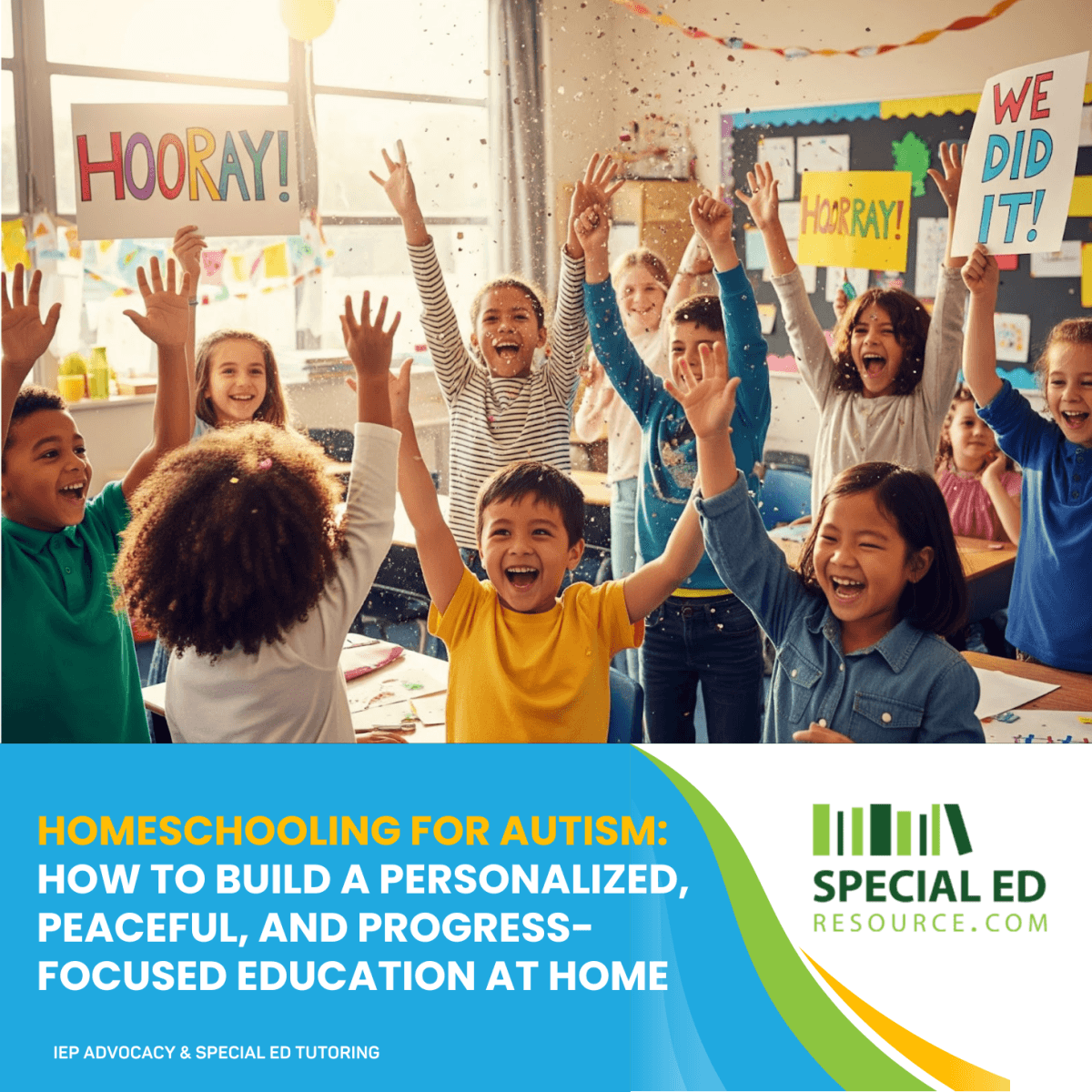
Classroom celebrations serve as important educational opportunities beyond simple festivities, particularly for students with special needs who can practice social skills, emotional regulation, and flexibility during these events. These areas often connect directly to Individualized Education Program goals, making inclusive celebrations valuable learning experiences that reinforce classroom instruction in practical settings.
When handled effectively, classroom parties help students practice following group routines and transitions, interacting with peers, managing sensory input and emotions, trying new foods or activities, and building confidence in social participation. However, without proper communication and planning, these same events can lead to overwhelm or exclusion for children with special needs, highlighting the importance of proactive preparation between parents and teachers.
Preparation begins with gathering detailed information from teachers about celebration specifics, including the type of event planned, specific activities involved, foods or treats being offered, event duration, and opportunities for meaningful participation. These conversations open doors for collaboration and help parents approach inclusion as a team effort with educators. For families needing additional support in advocating effectively in school settings, working with a special ed tutor can provide the language and confidence needed for clear communication.
Practical preparation includes bringing items that support inclusion and reduce stress, such as noise-canceling headphones for loud environments, weighted lap pads or fidget toys for sensory regulation, comfort objects for reassurance during transitions, and alternative treats for children with dietary restrictions. Visual supports like mini-picture schedules showing the event sequence can build predictability and confidence. When students exchange treats or toys, choosing inclusive items such as stickers, mini bubbles, crayons, or playdough ensures everyone can participate meaningfully.
Child preparation is crucial for successful inclusion, with parents encouraged to discuss celebrations several days in advance using simple, concrete language and create social stories with pictures showing the event flow. Practicing new skills at home, such as group games or taking turns, familiarizes children with expectations in a safe setting. Discussing sensory strategies in advance helps children feel prepared and in control, while post-event discussions about what went well provide positive reinforcement for future experiences.
Building an inclusive classroom community requires collaboration among all participants, with teachers encouraged to offer modified schedules or sensory-friendly activities while parents model understanding and advocacy through early communication and strategy sharing. When peers learn about differences in ability and communication through age-appropriate discussions, empathy grows, creating celebrations that become opportunities for connection rather than comparison.
Classroom celebrations present valuable learning opportunities that connect directly to educational goals across multiple subjects. Math skills can be reinforced through counting snacks or supplies, reading comprehension through following recipes or instruction cards, fine motor practice through crafts like cutting paper or stringing beads, and speech and language development through peer interactions. Social skills such as waiting in line, sharing materials, and expressing gratitude are naturally integrated into celebration activities, reinforcing classroom learning in fun, low-stakes environments that support overall academic progress.