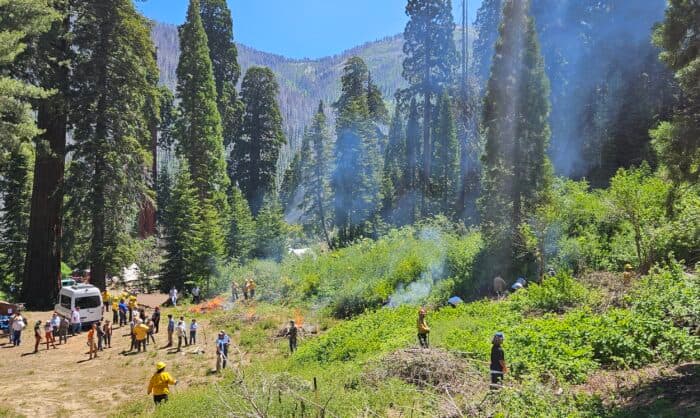
The Giant Sequoia Lands Coalition (GSLC) has reported significant strides in the conservation and restoration of giant sequoia ecosystems, according to their 2024 progress report. With over half of the world's sequoia groves under their care, the coalition has successfully implemented restoration treatments on 18,743 acres across 44 groves, alongside treating an additional 8,500 acres of surrounding forest. These efforts are crucial in combating the devastating effects of extreme wildfires, which have destroyed about 20% of mature giant sequoias in the past decade.
Among the coalition's key achievements are advancements in scientific research, including post-fire regeneration studies and health monitoring of iconic trees such as General Sherman. The reintroduction of cultural burning practices by Native American tribes and the planting of more than 74,800 native trees in 2024 stand out as pivotal steps towards ecosystem recovery. Since 2022, the total reforestation effort has surpassed 617,000 trees, demonstrating the coalition's commitment to reversing the damage inflicted by wildfires and environmental changes.
The GSLC's rapid response to the Coffee Pot Fire in Tulare County exemplifies their effectiveness in protecting vulnerable groves through coordinated actions. By reducing fire fuels and employing strategic restoration techniques, the coalition is enhancing the natural fire resilience of these ecosystems. This multifaceted approach, which blends traditional ecological knowledge with modern scientific research and collaborative land management, underscores the coalition's innovative strategy in addressing the challenges facing giant sequoia forests.
The coalition's work is a beacon of hope for the preservation of giant sequoias amidst the escalating threats of climate change and prolonged fire suppression. The united efforts of federal agencies, state parks, tribal nations, and conservation organizations highlight the critical role of collaboration in safeguarding these ancient ecosystems for future generations. The GSLC's progress report not only celebrates their achievements but also calls for sustained conservation efforts to ensure the long-term survival of these irreplaceable forests.