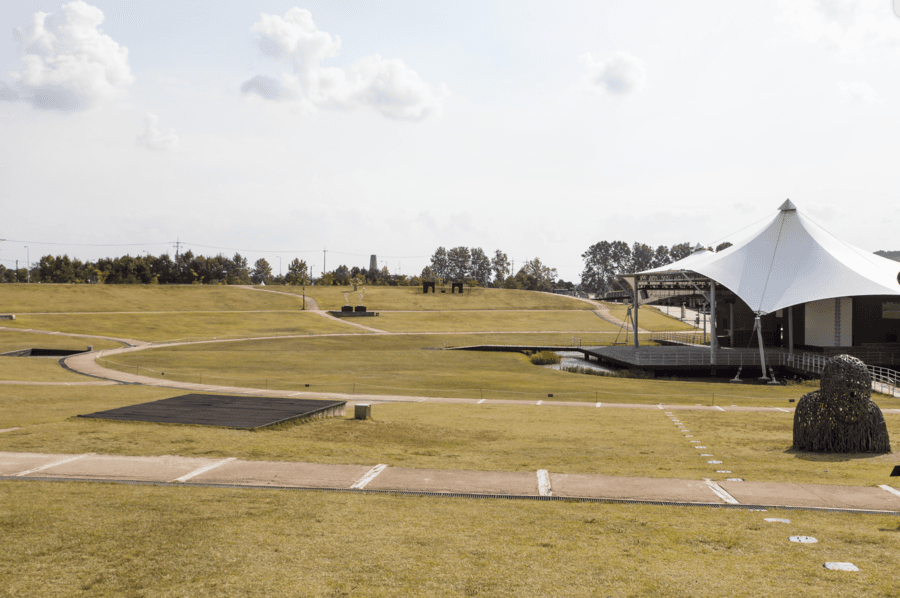
The recent cancellation of the 'Religious Leaders Forum and Graduation Ceremony' by the Gyeonggi Tourism Organization in South Korea has not only caused significant financial harm to the organizers but also sparked a global debate on religious freedom. The event, which was to host over 30,000 attendees from 78 countries, including 1,000 religious leaders from various faiths, was abruptly canceled without prior notice, raising questions about the motives behind the decision.
Organizers, the Association for Buddhist National Unification of Korea and the Shincheonji Church of Jesus, argue that the cancellation constitutes an act of discrimination against their religious group, violating the South Korean Constitution's principle of church-state separation. They highlight that other events scheduled for the same day were allowed to proceed, suggesting that external opposition may have influenced the decision. The Gyeonggi Tourism Organization cited security concerns related to North Korean activities and a planned protest by a North Korean defector group as reasons for the cancellation, but this explanation has been met with skepticism given the allowance of other activities in the same area.
This incident has brought international attention to the state of religious freedom in South Korea, with the U.S. State Department's International Religious Freedom Report previously noting concerns over the treatment of the Shincheonji Church of Jesus and the government's stance on religious constructions, such as mosques. The organizers are now urging the South Korean government to reverse its decision and uphold religious freedom and human rights, calling on international organizations to monitor the situation closely.
The controversy underscores the delicate balance between security concerns and the protection of religious freedoms, posing potential implications for South Korea's international reputation and diplomatic relations, especially with nations that place a high value on religious liberty. As the global community watches, the outcome of this situation may influence how similar cases are addressed worldwide, reinforcing the importance of safeguarding the right to freedom of religion or belief.