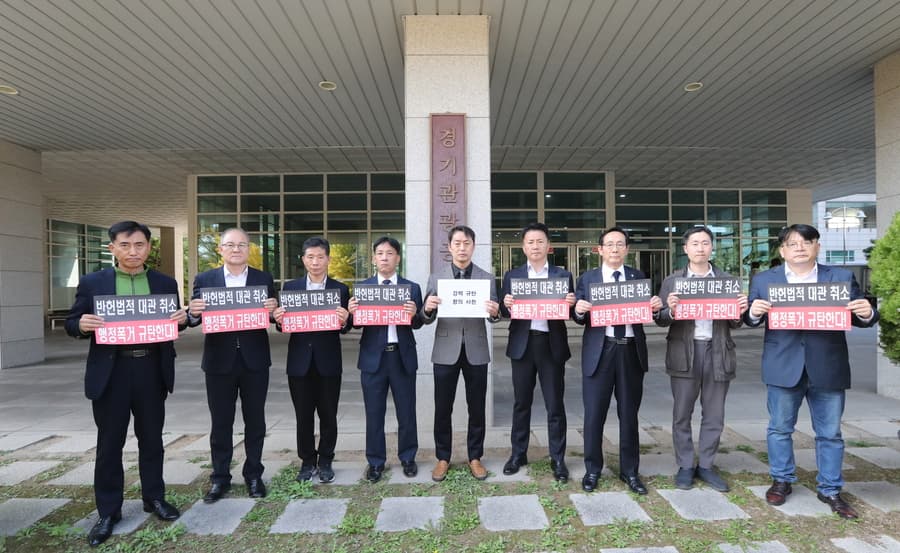
The sudden cancellation of the 'Religious Leaders Forum and Graduation Ceremony' by the Gyeonggi Tourism Organization in South Korea has not only caused significant financial losses for the organizers but also sparked a global conversation on religious freedom and tolerance. This event, a collaboration between the Association for Buddhist National Unification of Korea and Shincheonji Church of Jesus, was set to unite over 30,000 participants from 57 countries, including 1,000 religious leaders from various faiths such as Christianity, Buddhism, Islam, and Hinduism.
The organizers have condemned the cancellation as an unconstitutional act of discrimination, highlighting a violation of religious freedom, human rights, and due process. The Gyeonggi Tourism Organization's justification, citing security concerns related to North Korean activities, has been met with skepticism, especially as other events in the same area proceeded without hindrance. This discrepancy has fueled debates on the fairness and transparency of administrative decisions affecting religious gatherings.
This incident has broader implications beyond the immediate financial and logistical setbacks. It challenges South Korea's reputation as a democratic nation that upholds human rights and religious freedoms, potentially affecting its international relations and standing in global forums. The controversy also underscores the delicate balance between national security concerns and the protection of fundamental rights, a dilemma faced by many countries in today's geopolitical climate.
The call by the event organizers for the South Korean government to respect religious freedom and rectify the decision has garnered attention from international organizations monitoring human rights violations. As the situation develops, it serves as a critical reminder of the importance of safeguarding religious liberties and fostering interfaith dialogue in an increasingly interconnected world.